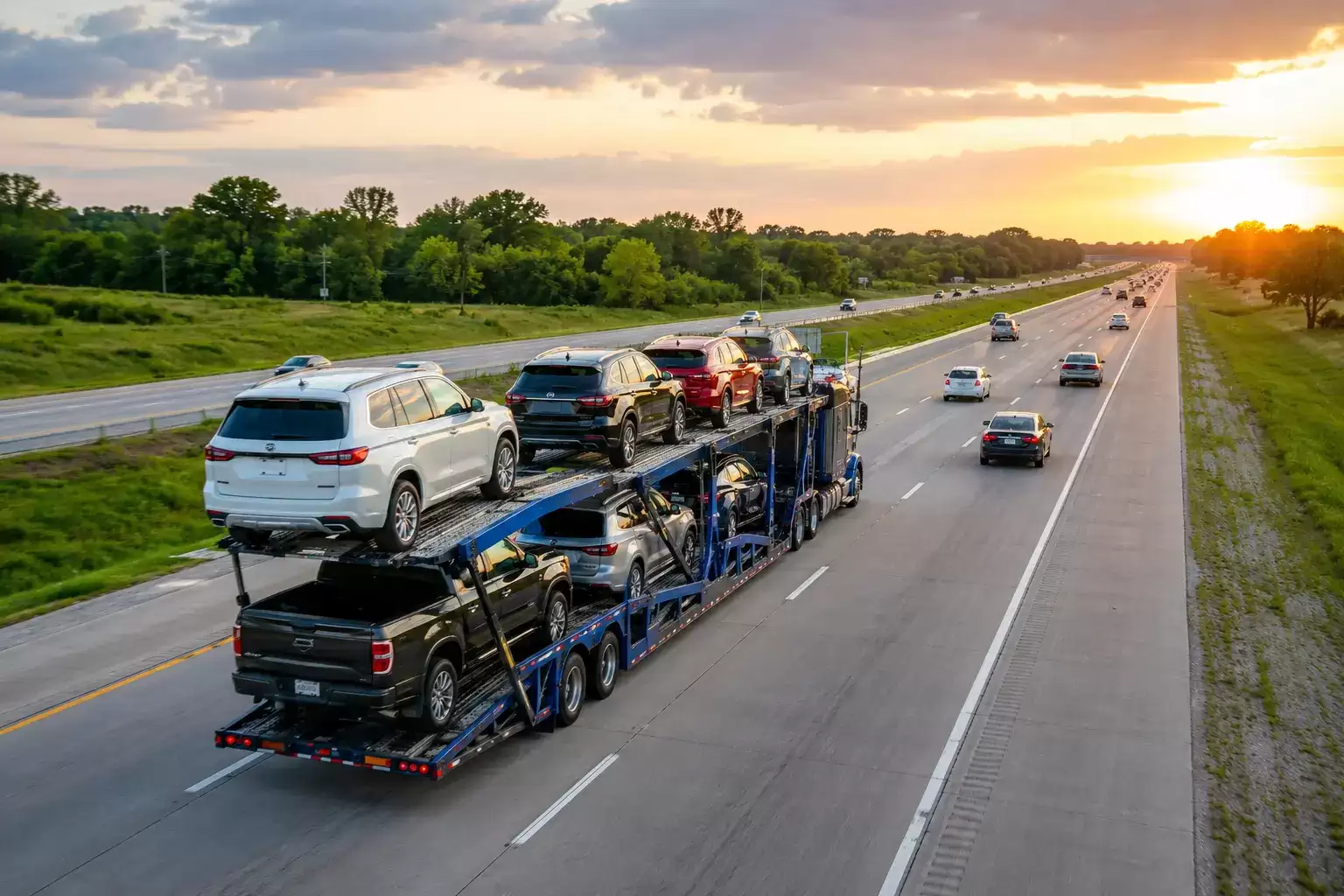
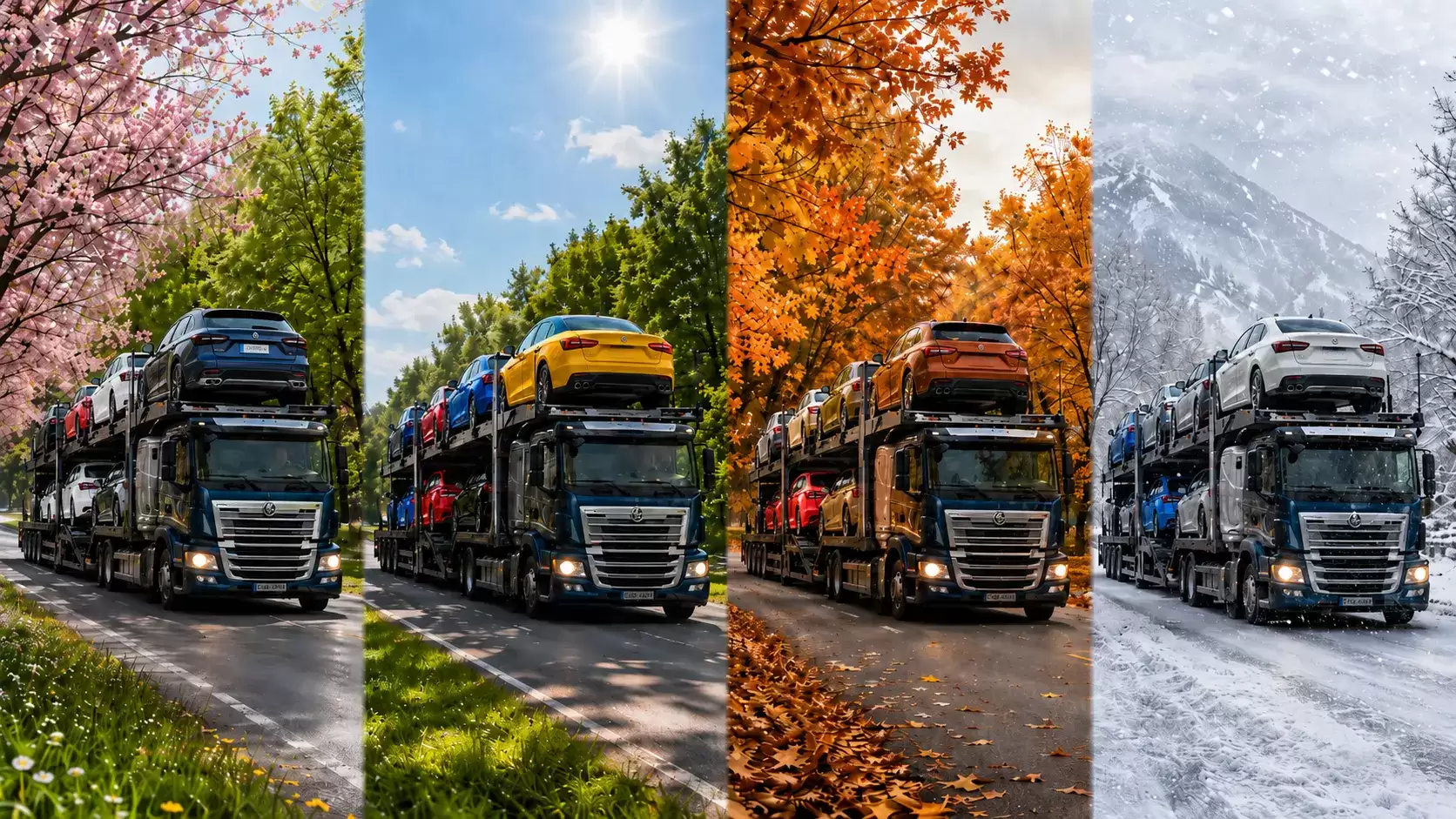
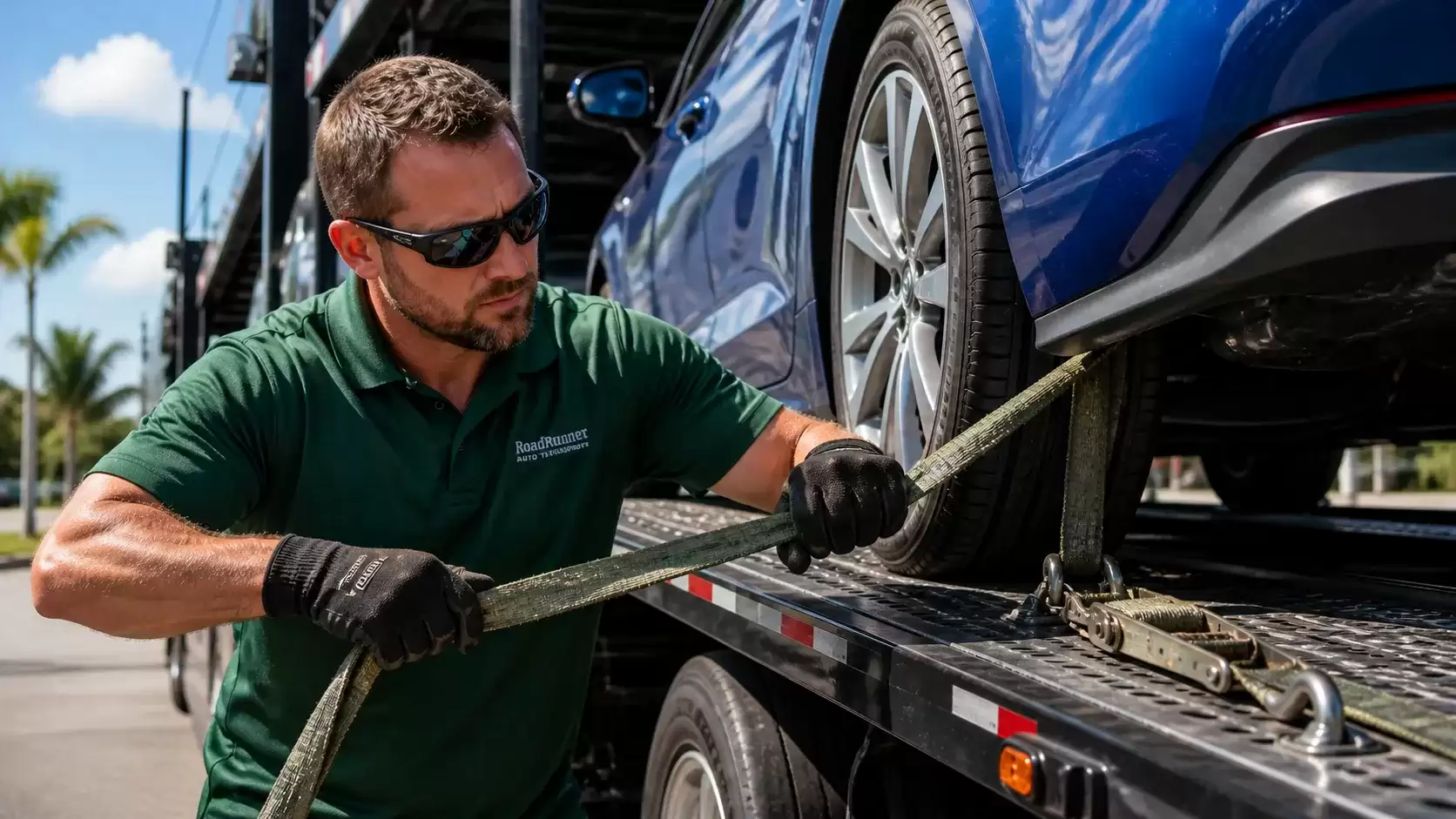
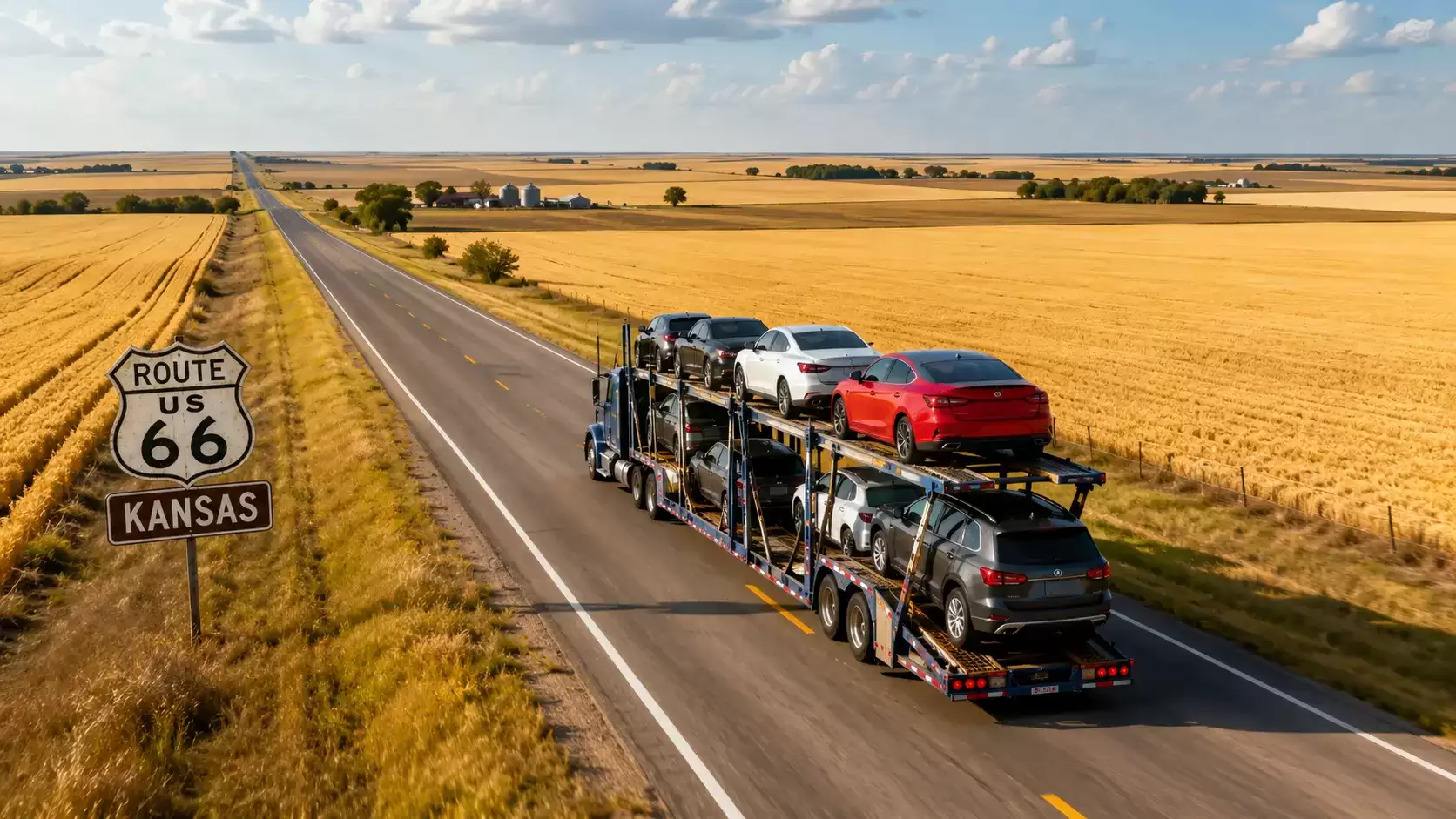
Three ways to ship the same vehicle on the same trucks. The only thing that changes is how quickly a carrier is assigned to your order.
Carriers are independent operators. When a driver has an open slot heading your direction, they choose which vehicle to load — and they choose the one that pays best. Every vehicle waiting on that route is competing for the same space.
Your tier is your position in that competition. It is not a different class of truck, a different driver, or a different standard of care. Same carriers, same equipment, same insurance. What changes is how quickly a carrier accepts your order. Think of it as walking, jogging and running.
Every car shipment runs through three stages. Understanding which one your tier controls is the difference between a realistic expectation and a disappointed one.
Paying more does not make the truck drive faster. It gets your vehicle onto a truck sooner.
Add the three stages together and you get a realistic door-to-door window. These examples assume a single driver, which covers most transports.
| Route Distance | Transit Alone | Standard, Door to Door | Expedited, Door to Door | Rush, Door to Door |
|---|---|---|---|---|
| 500 miles Regional |
~1 day | 3–11 days | 3–7 days | 3–5 days |
| 1,000 miles Multi-state |
~2 days | 4–12 days | 4–8 days | 4–6 days |
| 2,000 miles Long haul |
~4 days | 6–14 days | 6–10 days | 6–8 days |
| 2,800 miles Coast to coast |
~6 days | 8–16 days | 8–12 days | 8–10 days |
The best case is identical on all three tiers. If a carrier happens to be running your route tomorrow with an open slot, Standard gets picked up just as fast as Rush.
What the tier buys you is a shorter worst case. Standard can sit for eight days waiting on assignment; Rush caps that at two. You are not paying for speed — you are paying to remove the long tail. That is why Expedited is the right answer for most people: it cuts the worst case roughly in half for a nominal amount more.
We would rather set expectations correctly than oversell this.
It does not change transit time. Once your vehicle is loaded, a single driver covers 500–550 miles a day on every tier. Distance, route and federal hours-of-service rules decide that, not what you paid.
It does not change the truck or the driver. Every vehicle we move goes on a licensed, insured carrier regardless of tier.
It does not guarantee a date. Rush dramatically improves your odds and is the best tool available for a tight timeline, but weather, breakdowns and road closures affect every carrier on the road. Anyone promising a guaranteed pickup date in this industry is selling you something they cannot control.
Direct Express Auto Transport pioneered online instant pricing for the auto transport industry in 2004. Before we built the first car shipping cost calculator, getting a quote from a broker meant phone calls, callbacks, and waiting — sometimes days. We changed that. Today you know your exact cost in 30 seconds, before committing to anything. No phone tag, no hassle. Just a real number, instantly.
Partly. A higher tier gets a carrier assigned to your vehicle sooner — 1–2 days on Rush versus up to 8 on Standard. Once your car is loaded, transit speed is identical on all three tiers, because a single driver covers roughly 500–550 miles per day regardless of what you paid.
They change how quickly a carrier accepts your order. Standard is assigned in 1–8 days, Expedited in 1–4 days and Rush in 1–2 days. After assignment, pickup usually happens within 1–2 days and transit runs at the same speed on every tier.
Usually 1–2 days. Sometimes the same day if the driver is already nearby, occasionally longer depending on where they are in their run. This stage is the same on all three tiers.
A single driver covers roughly 500–550 miles per day. A two-driver team covers 1,000–1,100 miles per day, since one rests while the other drives. Most auto transports use a single driver.
Expedited. It roughly halves the worst-case assignment window compared with Standard for a nominal increase in cost, which makes it the best balance for most timelines.
On remote or rural routes, yes. Where carrier traffic is thin, a Standard rate may not attract a driver out to your address at all. Rush exists partly for this reason — it is often what brings a carrier to a hard-to-reach location.
No. Every vehicle ships on a licensed, insured carrier regardless of tier. The tier determines your position in the dispatch queue, nothing else about the service.
No, and neither can anyone else in this industry honestly. Rush substantially improves your odds and is the best tool available for a firm deadline, but weather, mechanical issues and road closures affect every carrier on the road.